


Maintaining a healthy vegetable garden can be a rewarding experience, but it often comes with its own set of challenges, particularly when it comes to managing pests. The key to successful pest management lies in using effective strategies that not only protect your garden but also promote a healthy ecosystem. Here are some tried-and-true tips to help you manage pests while keeping your garden thriving.
1. Understand Your Pests
Before you can effectively manage pests, it’s essential to know what you’re dealing with. Take the time to observe your garden regularly and identify the pests that are present. Some common garden pests include aphids, caterpillars, and beetles. Understanding their life cycles and habits can help you formulate a targeted management strategy.
2. Promote Beneficial Insects
One of the best ways to control pests naturally is by encouraging beneficial insects in your garden. Ladybugs, lacewings, and parasitic wasps are all natural predators of common garden pests. To attract these helpful creatures, you can plant a variety of flowers, such as marigolds and dill, which provide nectar and habitat.
3. Use Barriers and Traps
Physical barriers can be incredibly effective in keeping pests at bay. Row covers, for example, can protect young plants from insect infestations while allowing sunlight and moisture to penetrate. Additionally, traps can be used to capture and monitor pest populations. Sticky traps or bait traps can be placed strategically throughout your garden to reduce pest numbers.
4. Implement Crop Rotation
Rotating crops each season can help disrupt the life cycles of pests and reduce their populations. By changing the location of your plants, you make it difficult for pests that prefer specific crops to establish themselves. This practice not only helps with pest management but also promotes soil health.
5. Apply Organic Pesticides Sparingly
While organic pesticides can be useful in controlling severe infestations, it’s important to use them sparingly. Always read the labels and apply them according to instructions to minimize harm to beneficial insects. Consider using homemade remedies, such as neem oil or insecticidal soap, which can be effective against many pests without causing significant harm to the environment.
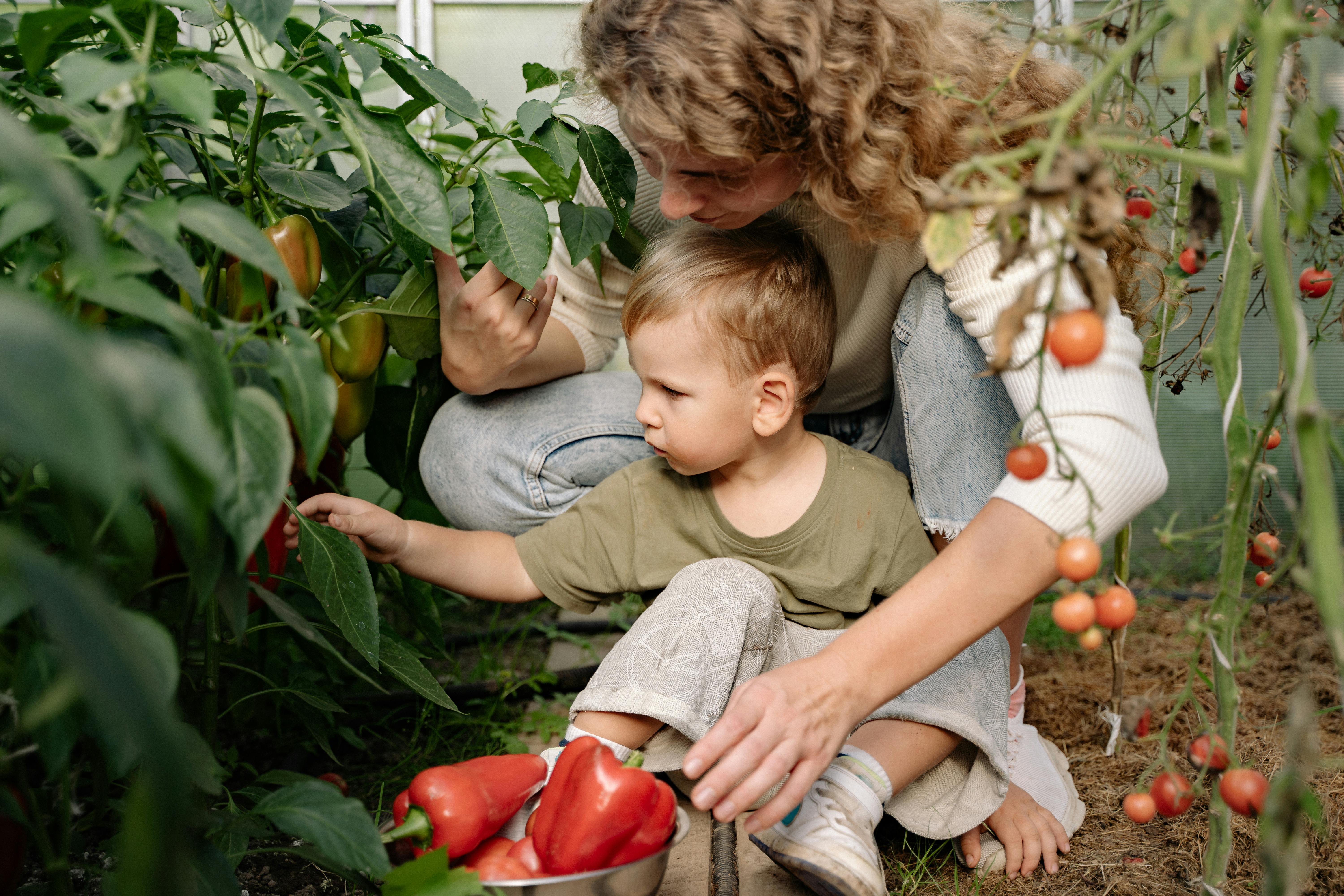
6. Maintain Garden Hygiene
Finally, keeping your garden clean is crucial for pest management. Regularly remove any dead plants, debris, or weeds that could harbor pests. A tidy garden not only looks better but also reduces the chances of pest infestations.
By implementing these strategies, you can effectively manage pests in your vegetable garden while maintaining a healthy ecosystem. Remember, the goal is to strike a balance between protecting your plants and fostering a thriving garden environment.



I love the idea of using homemade remedies. Can’t wait to try neem oil in my garden!
Crop rotation is a game-changer! I noticed a significant decrease in pest issues after I started doing it.
Great tips! I’ve been struggling with aphids in my garden, and I will definitely try attracting beneficial insects.
Thanks for the advice on organic pesticides! I prefer to keep my garden chemical-free.