


Organic farming has gained immense popularity over the years as more people are becoming aware of the benefits of sustainable agriculture. Unlike conventional farming, which often relies on synthetic fertilizers and pesticides, organic farming emphasizes the use of natural processes and materials. This blog post will explore various organic farming techniques that can help you grow vegetables sustainably, ensuring healthier produce for both you and the environment.
One of the foundational principles of organic farming is crop rotation. This technique involves alternating the types of crops grown in a specific area over several seasons. By rotating crops, farmers can prevent soil nutrient depletion and reduce the risk of pest infestations and diseases that thrive on specific plants. For example, planting legumes after heavy feeders like corn can replenish nitrogen levels in the soil, promoting a healthier growing environment.
Another effective organic farming method is companion planting. This approach involves planting different crops in proximity for mutual benefit. For instance, marigolds can be planted alongside vegetables to deter pests, while plants like basil can enhance the growth and flavor of tomatoes. Companion planting not only maximizes space but also fosters biodiversity, which is crucial for maintaining ecosystem balance.
Organic farming also relies heavily on the use of compost. Composting is the process of recycling organic matter, such as kitchen scraps and yard waste, into a rich, nutrient-dense soil amendment. By adding compost to your garden, you can improve soil fertility, structure, and moisture retention. This results in healthier plants that are more resilient to pests and diseases.
Additionally, organic farmers often utilize cover crops. These are crops that are planted during the off-season to cover and protect the soil. Cover crops like clover or vetch can help prevent soil erosion, suppress weeds, and improve soil health by adding organic matter and nutrients when they are turned into the soil. This technique not only sustains the soil but also contributes to a more productive growing season.
Lastly, creating a diverse ecosystem on your farm can significantly enhance sustainability. This can be achieved by integrating livestock, planting a variety of crops, and encouraging beneficial insects. By fostering a healthy ecosystem, organic farmers can naturally control pests, pollinate plants, and improve soil health, leading to greater yields and a more resilient farming system.
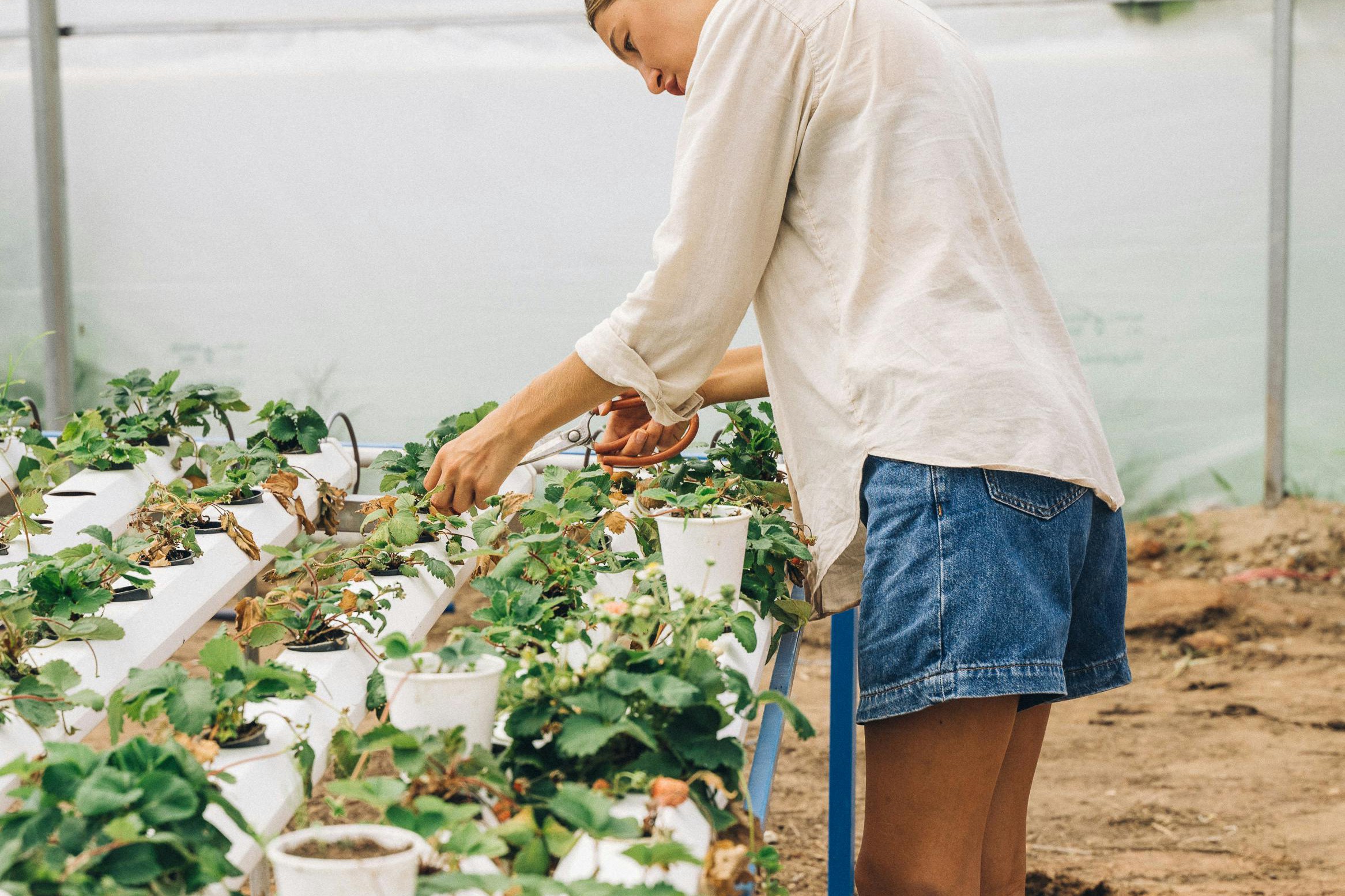
In conclusion, organic farming techniques are vital for promoting sustainable agriculture. By implementing practices like crop rotation, companion planting, composting, cover cropping, and fostering biodiversity, you can contribute to a healthier planet and produce nutritious vegetables for your community. As consumers increasingly seek out organic options, these methods not only benefit the environment but also support local economies and healthier lifestyles.



This is a great overview of organic farming techniques! I’ve been wanting to start my own vegetable garden, and these tips will definitely help me.
I’ve been practicing companion planting for years, and I’ve seen a significant improvement in my garden’s productivity. Thanks for sharing these insights!
I love the idea of using cover crops! It’s a sustainable way to improve soil health. I can’t wait to try it out in my garden!